


The Couple & Family Clinic, LLC
The Couple and Family Clinic is a full therapy practice serving the Chicagoland area, including Vernon Hills, Libertyville, Lake Forest, Lake Zurich, Deerfield, Evanston, Skokie, Niles and south and southwest areas of the City of Chicago.
We Offer Expertise In:





About Dr. Harris

Dr. Peonita Harris, Psy.D., LMFT, CSAT, CPTT, CDWF
At the Couple and Family Clinic, Dr. Harris brings care and compassion to her work with clients. She has years of extensive experience, and is committed to supporting couples, individuals and families recovering from relational trauma, including sexual compulsion and various types of betrayal. Her areas of focus are couples relational recovery work, betrayal, cultural trauma and racial inequalities, familial trauma, sexual concerns and grief and loss. Working with Dr. Harris will provide each client the tools and skills that are needed to move through healing their wounds and ultimately engaging in healthy and fulfilling relationships.
She uses evidence-based treatment models, including Emotional Focus Therapy (EFT), solution-focused and CBT approaches, as well as the Gottman Method and the Carnes 30-task Model. Additionally, Dr. Harris has specific training in racial trauma, Leadership in Racial Equity and Inclusion, and certification in the DaringwayTM model in addressing shame, guilt and empathy inter-personally and intra-personally. Dr. Harris is also a clinical supervisor with specific training in spiritual integration.
Dr. Harris is on the insurance panels of BCBSIL PPO, Aetna PPO and UBH PPO. Dr. Harris will offer a Superbill to patients using insurance that is not listed above.
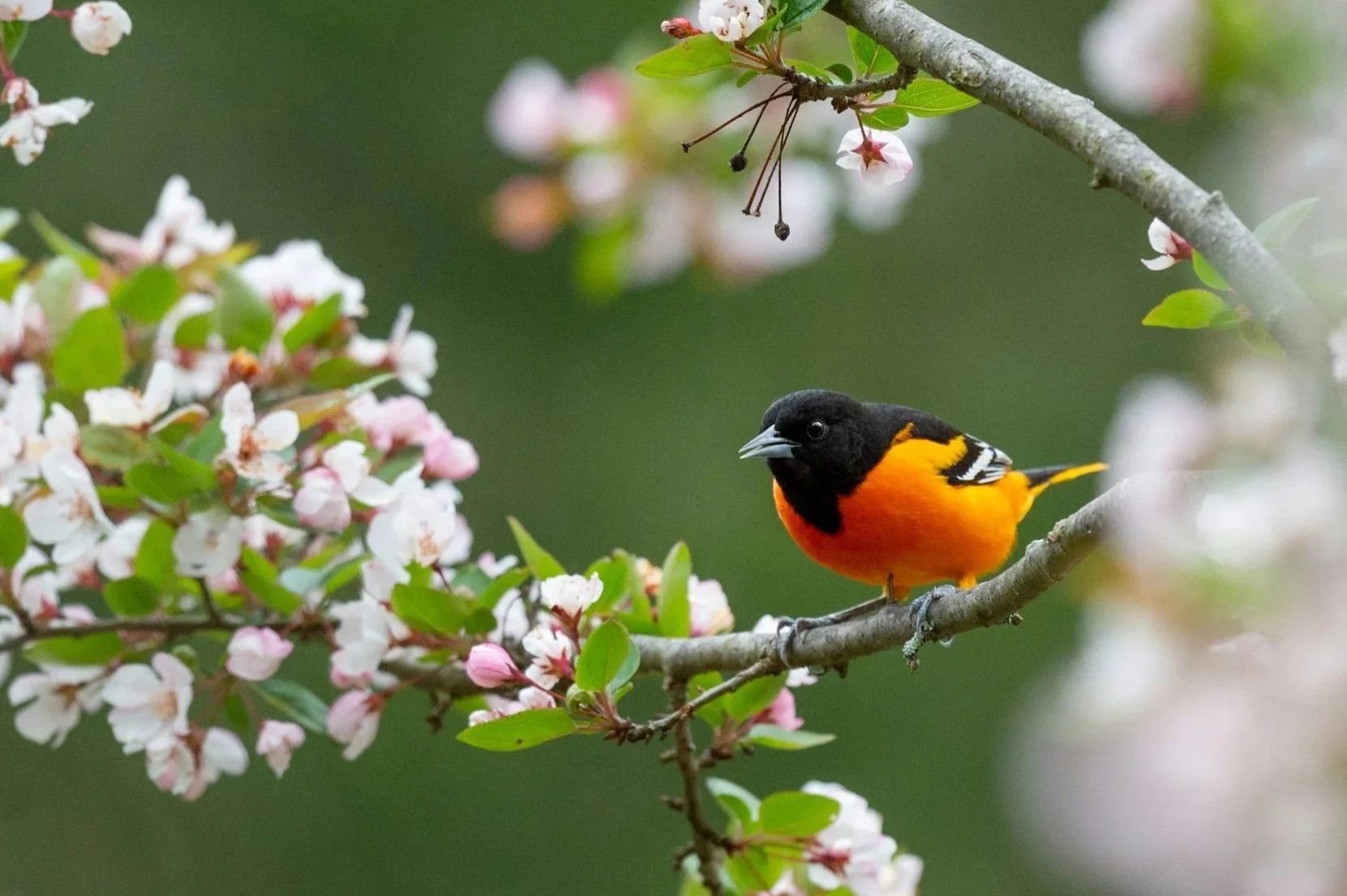
. . . And, Now It’s Spring!!
A blessing to Begin Again
“Emotional winters” isn’t a formal clinical term—it’s more of a metaphor people use to describe a period in life when emotions feel muted, heavy, or withdrawn, similar to how winter feels cold, quiet, and still.
It often refers to stretches where someone might feel:
· Low energy or motivation
· Emotionally distant or numb
· More introspective or isolated
· Less interested in things they usually enjoy
For some, it overlaps with experiences like burnout or depression. In a more clinical sense, it can resemble conditions such as Seasonal Affective Disorder, where mood changes are tied to seasons, or general depression—though “emotional winter” doesn’t necessarily mean a diagnosable disorder.
People also use the phrase in a broader, almost poetic way: as a natural phase of slowing down, reflecting, or healing after something difficult—like the emotional equivalent of trees going dormant before growth returns.
Most of the time, we emerge from emotional winters feeling drained, disinterested, and overwhelmed. Our hearts wait in anticipation of color, warmer breezes, and beautiful scents. We clean our homes, inside and out. We prepare our wardrobes by bringing in lighter, more colorful items. We refresh our pantries to reflect lighter meals with more local fruits and vegetables. Yes, winter is over, and spring is arriving.
Spring is the earth taking a deep, steady breath after a long silence—and finally exhaling in color.
It’s like a quiet room where someone slowly turns the lights back on, and you realize nothing was gone, just waiting. Buds on branches are sealed envelopes opening all at once, each one carrying a small, green message: begin again.
The air feels like a soft reset button—gentler than winter’s stillness, but full of promise. Rain becomes a patient artist, tapping on rooftops and sketching life back into the soil. Even the sunlight changes character—it stops whispering and starts speaking in warm, golden sentences.
Spring is also a kind of emotional thaw. If winter is a locked door, spring is the key turning—not all at once, but enough to let something new step through. It’s hope practicing how to exist again, a fragile courage pushing up through the dirt, insisting that growth is worth the risk. It’s a moment in time to begin again.





Another Goodbye